-
 Members of the hemp industry are suing Texas, claiming that the ban on hemp-derived THC products impose an unconstitutional burden on interstate commerce.
 -
 Hemp businesses and consumers asked to block state regulations on THC, but their lawsuit remains pending.
 -
 Members of the hemp industry are suing Texas, claiming that the ban on hemp-derived THC products impose an unconstitutional burden on interstate commerce.
 -
 Manufactured Delta-8, Delta-10 and similar THC products are now classified as controlled substances in Texas, while compliant Delta-9 hemp products remain legal.
 -
 Texas will ban hemp products containing certain intoxicating cannabinoids starting July 31, and local businesses are feeling the strain — and even closing.
 -
 The Dallas Observer's Austin Wood walks us through what consumable hemp products will be off the market as of next Friday.
 -
 The Texas Fifteenth Court of Appeals has cleared the way for new Department of State Health Services rules governing hemp products to take effect again, including higher fees for businesses and limits on the sale of THCA flower and concentrates. But DSHS says they're still considering how to proceed.
 -
 A Texas Supreme Court order took effect May 28 that allows state health officials to again treat manufactured Delta-8 THC as a Schedule I controlled substance, a legal category that includes peyote and Ecstasy.
 -
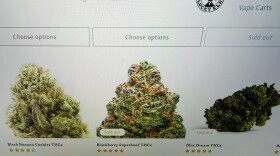 Texas says new rules banning sales of smokable hemp also apply to out-of-state companies. But cannabis lawyers question the rules and Austin police won't confiscate hemp if you have the packaging.
 -
 New state rules change how THC levels are calculated and raise fees on hemp businesses by as much as 4,000%

© 2026

In touch with the world ... at home on the High Plains
Play Live Radio
Next Up:
0:00
0:00
Available On Air Stations


