-
 The bill clarifies that landlords are held to “the same standards of honesty and quality as any other business in Kansas,” says sponsor.
 -
 The automated online systems that landlords, often corporate landlords, use to screen rental applications and payments don’t recognize lawful forms of income, such as veterans’ benefits, Social Security disability benefits, supplemental security income, pensions, child support and alimony. The bill attempts to fix that.
 -
 Applying the Kansas Consumer Protection Act to residential rentals could help balance power between landlords and tenants. A lawmaker hopes it may force landlords to improve their properties so tenants don’t live in squalor.
 -
 Sherri Foster missed several months of rent in 2020, but the lease on her Prairie Village house included a late fee of $20 per day. The court ruled she owed fees for all 1,062 days between her first missed payment and the judgment date.
 -
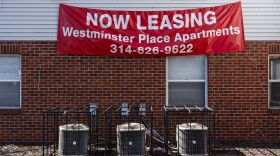 In several states, a renter has to make $20 or more an hour to afford apartments being leased at Fair Market Value. Nearly half of Americans don't make enough money to afford a one-bedroom rental.
 -
 Oklahoma's eviction laws are among the most lenient in the nation.
 -
 The ruling will prevent Army Lt. Col. Shane Vinales and his wife and family from receiving further damages they claim they suffered from living in privatized base housing.
 -
 Senate Bill 128 proposed increasing the required amount of time between an eviction trial notice and the court date from a minimum of five days to ten days and a maximum of ten days to 15 days.
 -
 Oklahoma's largest cities rank among the highest for eviction rates in the country. State lawmakers are working across the aisle to address the issue this legislative session.

© 2026

In touch with the world ... at home on the High Plains
Play Live Radio
Next Up:
0:00
0:00
Available On Air Stations


