-
 World Cup fever has reignited former high school athletes' interest in playing soccer themselves.
 -
 As the world's biggest soccer tournament transformed Lawrence, Kansas, into an international destination, a collaboration with the University of Kansas' journalism program helped KCUR capture stories that unfolded far beyond the pitch.
 -
 The World Cup's arrival in the Midwest has driven an interest in soccer that cuts across generations. In Lawrence, Kansas, the local parks and recreation department is channeling that enthusiasm into weekly games of walking soccer, a slowed-down version of the sport that's more accessible to older adults.
 -
 As the Trump administration continues to bolster deportation efforts, local advocacy groups have reported a rise in immigrant arrests between June 15 and July 3, while Kansas City hosted World Cup matches. The increased ICE presence across the Kansas City metro area has kept residents on edge.
 -
 Even before Kansas City was made an official host city for the 2026 FIFA World Cup, Lawrence city officials, the University of Kansas and other groups prepared to be a welcoming base camp.
 -
 Algeria celebrates its independence on July 5, marking the country's formalizing of its vote to break from France in 1962. The Algerian national team's stay in Lawrence has put that history top of mind for Algerian Americans in Kansas.
 -
 Both Kansas and Missouri cleared a path for cities to let bars serve alcohol into the wee hours during the World Cup. But some bar owners say the demand for early-morning drinking isn’t high enough to justify the extra staff and safety concerns.
 -
 Algerian fans find more halal food in Lawrence as restaurants and bars embrace 'radical hospitality'To welcome Algerian visitors and make them feel at home in the charming college town, Lawrence restaurant owners offered more halal options, with some pulling pork from their menu. The Algerian team’s presence also gave an opportunity to spotlight Lawrence’s Middle Eastern restaurants.
 -
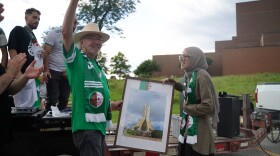 One local artist said the city is celebrating "the idea that an artist, with his family and his friends, got together and created some art to welcome these beautiful people. That’s the kind of thing we’re missing in the world.”
 -
 The investigation comes days before World Cup matches begin in Texas. Paxton says some fans may have been misled about seat locations when purchasing tickets.

© 2026

In touch with the world ... at home on the High Plains
Play Live Radio
Next Up:
0:00
0:00
Available On Air Stations


