-
 The limited resumption will allow a southern port of entry in Arizona to reopen in phases. The move comes after 41 of 42 cases of screwworm have been reported in Texas.
 -
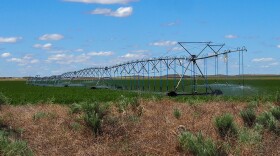 In April 2026, Kansas exported $91.3 million of products to China, the third largest country behind Mexico and Canada, according to the Observatory of Economic Complexity, an economic data-gathering organization.
 -
 The cost of doing business in agriculture was already high before the blockade of the Strait of Hormuz, which spiked fertilizer and fuel prices. Now, making any money this season may require farmers to cut back on certain resources.
 -
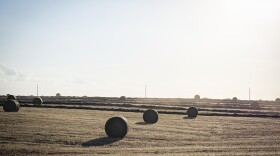 Around 18% of Oklahoma's agricultural federal workforce left or lost their jobs in the first half of 2025. A U.S. Department of Agriculture report shows most of the workers took a deferred resignation deal.
 -
 The U.S. agricultural industry depends on undocumented immigrants, but President Trump's immigration crackdown is further depleting an already tight workforce. The labor crisis may be setting the stage for big changes to a federal program that allows foreign workers into the country legally.
 -
 While most proposed amendments on this year's ballot focused on taxes, voters also showed strong support for investing in Texas' network of technical colleges and dementia and Alzheimer's research.
 -
 Ranchers, lawmakers and farmers' unions are sounding the alarm over a Trump administration plan to increase beef imports from Argentina.
 -
 The Trump administration cut off nearly all funding for food and agricultural research at universities across the country as part of the Feed the Future Initiative. While some hope Congress will restore the funding, the global research continues on a much smaller scale, funded by private donors and individual universities.
 -
 Detections of new world screwworms, a flesh-eating maggot, have grown in recent years in South America. As the federal government works to prevent the pests' spread, Oklahoma officials are rolling out a response.
 -
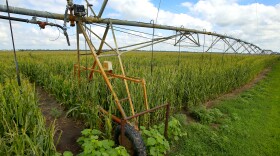 Scientists in Kansas, Missouri and other states were poised to start research to cut U.S. reliance on fertilizer imports, keep biofuel farming cost-competitive and tackle a potent greenhouse gas.

© 2026

In touch with the world ... at home on the High Plains
Play Live Radio
Next Up:
0:00
0:00
Available On Air Stations


