-
 As oil and gas companies run out of places to dispose of their wastewater, Texas regulators are drafting permits to treat and reuse it outside the oilfields.
 -
 Bird watchers, animal lovers and even those interested in plants and insects are taking notice: there seems to be less of almost everything on the prairie. Why are so many wild things seemingly disappearing? Commentator Rex Buchanan shares his thoughts.
 -
 While a new state law partly limits data center groundwater use, in reality, data centers avoid water permits entirely by buying water from utilities. Residents are demanding answers in communities like Luther and Yukon.
 -
 Lake Meredith, near Amarillo, was recently designated as "fully infested" with invasive zebra mussels. The mussels have been spreading across Texas for more than 15 years and Lake Meredith is the north-most body of water in the state to be infected. TPWD says the mussels have the potential to damage treatment equipment in what is a municipal water source for the region, but water officials with the lake say they're prepared.
 -
 Oklahoma has reached a new settlement with all six remaining poultry companies in a decades-long pollution lawsuit. The new plan could replace a federal judge's order and earlier settlements.
 -
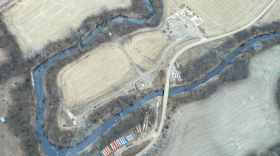 The December 2022 rupture was one of the largest inland oil spills in recent history, and the $40 million will go toward work on the pipeline to prevent future similar spills, a news release from the U.S. Justice Department said.
 -
 Nearly half of the power plants planned to supply electricity for data centers would be in Texas. Experts warn they will emit significant pollution that could harm the health of communities nearby.
 -
 Some Kansans are spooked by data centers as the likelihood of the state hosting more big tech facilities is rising. They’re worried about potential harmful impacts to the environment and just being heard during preliminary public meetings. One positive to all the hullabaloo? Heightened civic engagement early in local proceedings.
 -
 Kansas State University experts also warned in a recent memo of disease emerging in wheat fields in nine Kansas counties.
 -
 The United States has lost about 90% of its food animal veterinarians since the 1940s, according to a 2023 Johns Hopkins study.

© 2026

In touch with the world ... at home on the High Plains
Play Live Radio
Next Up:
0:00
0:00
Available On Air Stations


