-
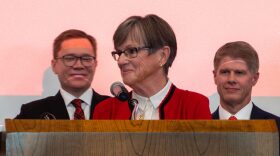
 Holscher and Ethan Corson, both state senators from Johnson County, joined Overland Park Mayor Curt Skoog for the hour-long debate. The three are seeking the Democratic nomination for governor in the Aug. 4 primary.
 -
 Radio station forum leaves out six GOP, Democratic candidates for governor
 -
 A state lawmaker said the Unified Government's ordinance to support the Chiefs deal exerts too much power over Kansas negotiations. County leaders believe he's mistaken.
 -
 The governor, state legislative leaders and owners of the NFL franchise announced in December the framework of a deal for developing a domed stadium surrounded by an entertainment district in Wyandotte County, in addition to the team’s headquarters, training facility and related developments in Johnson County.
 -
 The unparalleled public subsidies that accompany the deal have drawn criticism from economists, politicians and football fans from the jump.
 -
 Kansas City Chiefs, key cities and state officials endorse sports authority ownership of $3B stadiumQuestions arise about making Olathe, KCK mayors nonvoting members of board
 -
 Public ownership of the new Chiefs stadium would shield bonds for the project from the federal income tax.
 -
 The Unified Government's STAR bond deal came with a Kansas promise to rebuild and repair three major bridges in Wyandotte County. But some officials say they want more commitments from the team.
 -
 Olathe council members voted unanimously to commit some sales and hotel guest taxes revenues as part of the Chiefs deal that will bring a new training facility and HQ to the city. Many residents at a public hearing spoke against the plan over a lack of transparency.
 -
 Four economists say the state relied on exaggerated numbers to make the Kansas City Chiefs deal, the largest public subsidy of a stadium in American history, look better. State officials say football teams bring in real value as millions flock to the stadium projects.

© 2026

In touch with the world ... at home on the High Plains
Play Live Radio
Next Up:
0:00
0:00
Available On Air Stations


