-
 Last month, Lubbock City Council began the procedure to adopt a pause on large-scale data center development. If the moratorium passes, it will be two years until another one can be put in place. With more information and potential changes likely to come out of the state's legislative session, one councilman has argued that the city should hold off on playing its moratorium card. All the while, the clock may be ticking on the statewide pause on data centers.
 -
 Jamaal Howard's lawyers had sought a last-minute stay citing the inmate’s mental fitness, but their bid was denied by a state and federal court.
 -
 From groceries to childcare, Texans are spending more to live here. Here’s how much costs have risen, why it’s happening and what candidates are proposing to fix it.
 -
 Lawyers for Jamaal Howard are asking Gov. Greg Abbott for a 30-day reprieve after two lethal injections failed to kill Christa Pike, leaving her hospitalized.
 -
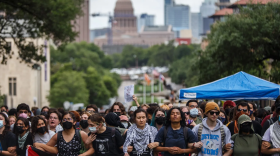 A federal appeals court will consider whether restrictions on protests at Texas’ public universities and colleges violate constitutional rights.
 -
 President Donald Trump has approved the execution by firing squad of Army Maj. Nidal Hasan for the 2009 shooting rampage at Fort Hood, Texas. The U.S. military hasn't carried out the death penalty since 1961. Hasan killed 13 people and injured more than 30.
 -
 The Texas Library Association found that library services across the state offer an economic boon to local communities.
 -
 Industry stressors like commodity prices and drought conditions increase the pressure for those who work in the agriculture industry. Agrisafe Network is a nonprofit that aims to provide resources to farmers and ranchers across the U.S., including in Texas.
 -
 Some local officials have suggested they expect Abbott will reinstate funding for the surveillance cameras, which are politically unpopular, after the election.
 -
 The threat was initiated by one main suspect and several co-conspirators. Texas DPS officials said they worked with the FBI and local law enforcement to arrest the main suspect, Benny Caldera Jr., around 3 a.m. Wednesday.

© 2026

In touch with the world ... at home on the High Plains
Play Live Radio
Next Up:
0:00
0:00
Available On Air Stations


