-
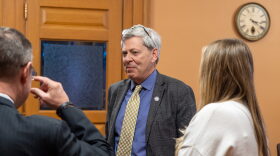 Kansas GOP treasurer Roger Lomshek called office about transgender Democrat running for Kansas House
 -
 New York Times opinion columnist M. Gessen says that by invalidating the driver’s licenses and policing the bathroom use of transgender residents, Kansas is drifting toward the policies of Nazi Germany.
 -
 The group of trans men use women’s bathrooms in publicly owned facilities, which is required by Kansas law, to highlight what they say are flaws in the bathroom bill.
 -
 As attorney general, Paxton threw unprecedented resources into stopping Biden's agenda. That record is his sword and shield as he runs for U.S. Senate.
 -
 State witness in lawsuit over gender-affirming care ban scrutinized for view that pedophilia is "not inherently wrong or harmful."
 -
 The high court ruled a Texas woman who regretted a surgery she underwent as part of her gender transition initiated legal proceedings within the time limits outlined in state law.
 -
 A lawsuit seeks to strike down the provision of the law that invalidated those licenses
 -
 Douglas County District Court Judge Carl Folsom said provisions the Kansas "Help Not Harm Act" likely violate the state constitution. Kansas Attorney General Kris Kobach called the decision "is a stark example of judicial activism."
 -
 On International Transgender Day of Visibility, Kansas should remember the accomplishments of Dr. Alan L. Hart, a doctor and author born in Halls Summit in the late 19th century. In 1917, he made history by becoming one of the first known trans men in the country to undergo gender affirming surgery.
 -
 Mayday Health plans to reach 1.2 million people over the course of four weeks with three billboards in the Kansas City area, three in Topeka and one in Wichita.

© 2026

In touch with the world ... at home on the High Plains
Play Live Radio
Next Up:
0:00
0:00
Available On Air Stations


