


Calen Moore
Western Kansas ReporterCalen Moore is High Plains Public Radio's western Kansas reporter. Based in Liberal, he covers the issues that impact the region — from water conservation and agriculture to rural development and immigration.
His work reaches audiences across through the Kansas News Service, a statewide collaboration of public radio stations.
Growing up in southwest Kansas, Moore has a heart for the region and hopes to tell stories and connect people across the often overlooked High Plains.
-
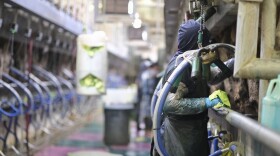 Kansas has a fast-growing dairy industry, but milking cows isn’t easy and it’s hard to find workers. Industry groups say immigrants are critical and those workers say they’re needed to feed Kansas families.
 -
 Hot cattle translates to less milk and profits for dairy farmers. As the summers get warmer, dairies are looking for ways to keep cows comfortable and monitor heat stress.
 -
 A new type of wheat dotting Kansas fields has a special use: making pasta. Wheat acres have continuously declined in Kansas because traditional varieties are not making farmers much money these days. The noodle-focused wheat variety could change that.
 -
 The large oil spill in northern Kansas totaled more than 500,000 gallons that affected prairie, cropland and a creek. The settlement includes fines and promises of additional projects to prevent further environmental damage.
 -
 In some parts of Kansas, groundwater is polluted with enough nitrates that it can fulfill some of the fertilizing needs for farmers.
 -
 Nearly half of the U.S. winter wheat crop is in poor or very poor condition, following a tough growing season. Some farmers are choosing to leave their crop in the field
 -
Massive data centers powering artificial intelligence have sprouted across the country in recent years, drawing opposition for their water consumption. But in rural Kansas, boosters of one project argue that it could represent a huge savings in water use compared to irrigated farming.
-
 Former Mayor of Coldwater, Kansas, Joe Ceballos pleaded guilty in April to voting as a noncitizen, which he says was an honest mistake. Now he’s being ordered to federal immigration detention.
 -
 Homegrown athletes are spreading lucha libre, or traditional Mexican wrestling, across the Plains. It’s more than just entertainment, as it carries cultural history with it while sometimes addressing modern challenges in the world.
 -
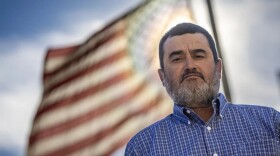 Joe Ceballos, former mayor of Coldwater, is a legal resident, but not a citizen. He pleaded guilty Monday to voting illegally, saying it was a mistake. It’s not yet clear if he’ll face deportation.


