-
 Plan lifts tariff on foreign beef to mollify consumers ahead of November elections.
 -
 The limited resumption will allow a southern port of entry in Arizona to reopen in phases. The move comes after 41 of 42 cases of screwworm have been reported in Texas.
 -
 The Canadian Food Inspection Agency is barring horses, pigs, cattle and other animals from Texas due to concerns over New World screwworm, a parasitic fly.
 -
 Mexico's cattle industry is facing a convergence of drought, disease and disrupted trade that has cut northern Mexican ranchers off from the U.S. market that shaped them for more than a century.
 -
 Texas Biomed plans on partnering with Flyttr, formerly known as Oxitec, a private biotech company based in England that specializes in pest management.
 -
 Track confirmed New World screwworm infestations in Texas and learn what the flesh-eating parasite is, which animals are at risk, how it spreads, what symptoms to watch for and what officials are doing to contain the outbreak.
 -
 There is bipartisan agreement that the country is not producing nearly enough sterile flies to combat the flesh-eating parasite, which threatens to wreak havoc on Texas' livestock industry.
 -
 The USDA confirmed four new New World screwworm cases in Texas, including the first reported infestations in Crockett and Terrell counties.
 -
 With an eye on water levels, grazing options and the bottom line, cattle producers tailor strategies for survival
 -
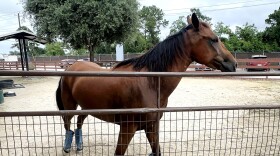 Most stray animal shelters are already at capacity. Adding a deadly parasitic infestation could create an even more dire situation.

© 2026

In touch with the world ... at home on the High Plains
Play Live Radio
Next Up:
0:00
0:00
Available On Air Stations


