-
 As Oklahoma farmers struggle to turn a profit on their crops, their real estate remains a solid investment.
 -
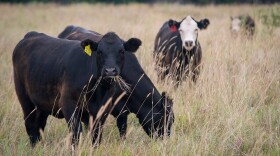 A recent survey shows farm income and borrowing power for crop producers are weak across the Great Plains, but the cattle industry has improved farm finances in some places, including Oklahoma.
 -
 Congress extends critical Farm Bill for a third time. It's a relief for farmers, but raises concernsThe federal funding package to reopen the government included a one-year extension of certain 2018 Farm Bill programs. Several expired Sept. 30 or would have been null by the end of the year.
 -
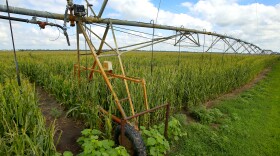 Scientists in Kansas, Missouri and other states were poised to start research to cut U.S. reliance on fertilizer imports, keep biofuel farming cost-competitive and tackle a potent greenhouse gas.
 -
 The spring planting season is getting started for many Midwest farmers. Federal data suggests that fewer acres will be planted in soybeans than last year, in part because of the U.S. trade war with China.
 -
 Dryness in the Great Plains began spreading east this year, affecting much of the Midwest and endangering crops, livestock and river shipping. Recent rains have been a god-send, but will it be enough to loosen the years-long drought?
 -
 Flash droughts come on quickly and can wilt crops and waterways faster than long-term droughts. New research finds the dangerous dry spells will become more common in the future.
 -
 Recent survey results show commercial honeybees are on track to have another year of colony losses. A decline in these essential pollinators could hinder food production.
 -
 Climate experts say summer nights have gotten warmer. One study found the average minimum temperature in the United States has gotten warmer by 2.5 degrees over the last 50 years. For farmers, this means crops and livestock could suffer.
 -
 The U.S. imports a lot of chestnuts, and there is an opportunity for more of them to be homegrown.

© 2026

In touch with the world ... at home on the High Plains
Play Live Radio
Next Up:
0:00
0:00
Available On Air Stations


