-
 Faculty groups say the Texas Tech University System's new curriculum policies are unconstitutional and unlawfully restrict classroom instruction on race, gender identity and sexual orientation. But university leaders have called the changes "common sense."
 -
 The State Board of Education on Friday approved a new reading list that includes numerous Bible passages, and a social studies curriculum that emphasizes U.S. and Texas history over world cultures. Approved changes start taking effect in 2030.
 -
 The Republican-majority State Board of Education is scheduled to vote this week on adopting curriculum changes statewide. Critics say the new social studies lessons and reading lists over-emphasize Christianity.
 -
 The board will have multiple opportunities to revise the list before a final vote in June. Before recent changes, the proposal's length, lack of diversity and Christian focus received criticism.
 -
 The process of rewriting the curriculum has been contentious, with some raising concerns about what it emphasizes. People who have been involved in the process say the changes are part of a conservative agenda and worry teachers will struggle to cover all the content.
 -
 Schools were also directed to cancel or change celebrations of the late civil rights leader amid allegations of sexual abuse.
 -
 Opponents warned the policy’s vagueness could push professors to self-censor and leave students less prepared for the workplace.
 -
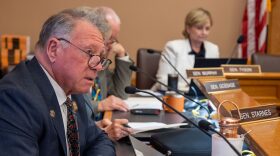 Kansas state Sen. Brad Starnes, a Republican from Riley and a former district superintendent, wants K-12 public school students to learn about "communist and socialist regimes and ideologies," and take a civics exam to graduate high school.
 -
 Public comment is now open for Oklahoma's new social studies academic standards. And, this year's version is markedly different from the standards put out by former State Superintendent Ryan Walters' administration.
 -
 The new race and gender policy has garnered condemnation from educational rights advocates, including the Foundation for Individual Rights and Expression, which sent a letter to the board of regents earlier this week arguing that the policy amounted to censorship.

© 2026

In touch with the world ... at home on the High Plains
Play Live Radio
Next Up:
0:00
0:00
Available On Air Stations


