-
 More farmers are opting to repair old tractors, combines and other machinery instead of buying new upgrades. A tough farm economy and historically-high equipment prices are at least partly to blame.
 -
 Corn and soybean growers have seen several years of low commodity prices and increased costs for supplies like fertilizer and fuel. That has many farmers worried about whether they'll turn a profit this year and drawn some comparisons to a dark time in American agriculture.
 -
 In the heart of Colorado wheat country, only about half the typical precipitation has fallen this year, forcing farmers to make hard choices
 -
 Oklahoma soybean farmers are navigating a cascade of financial pressures: trade war fallout that cut China's soybean purchases by 78%, fertilizer prices driven up by tariffs and the closing of the Strait of Hormuz, and fuel costs up more than 50%. Government assistance has helped, but margins remain deeply negative.
 -
 Farmers across the central U.S. have navigated a myriad of challenges this year, including low crop prices and federal funding cuts.
 -
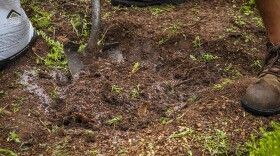 In an effort to improve the state's soil health, the Oklahoma Conservation Commission is paying up to $40,000 to farmers and ranchers to employ regenerative agriculture techniques.
 -
 Some Midwestern soybean farmers are selling their beans to be crushed and turned into soybean meal and oil. But economists say domestic processing won't be enough to offset the drop in Chinese demand.
 -
 Amid a political climate increasingly hostile to renewable energy, Oklahoma's public schools could be losing out on a crucial revenue source.
 -
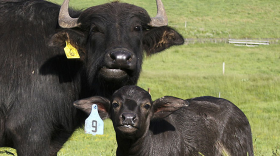 Oklahoma officials say a Jones producer was killed on July 11 after sustaining injuries from two water buffaloes he bought the day before.
 -
 Farmers continued to take on more debt through the first quarter of 2025, prolonging a trend from last year. That's as farm incomes have shrunk over the last couple of years, and some worry President Trump's tariffs could make economic conditions tougher.

© 2026

In touch with the world ... at home on the High Plains
Play Live Radio
Next Up:
0:00
0:00
Available On Air Stations


