-
 Rural Kansas keeps getting older. The median age in the state's rural communities is 42 years, five years higher than the statewide median of 37 years. Part of the problem: Young people leaving to seek jobs in metropolitan areas like Kansas City, Wichita, and Denver. In western Kansas, one man has started a program to connect young people with local jobs.
-
 Rural communities across Kansas are losing population, often because young people are leaving. How can you get them to return? One rural county has come up with a solution: pay them to come back.
-
 The Democratic nominee is likely to face an uphill battle against Republican incumbent U.S. Rep. Tracey Mann of Salina, who is seeking a fourth term in a district he has handily won since 2020. Mann is also facing GOP primary opponent, Craig Musser of Ellinwood.
-
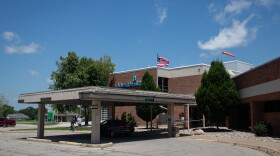 The program is meant to soften the coming cuts to Medicaid. The state health department recently announced the first round of Kansas grantees. Hospitals are using the money to increase healthcare access to rural patients.
-
 In April, the Texas Tech University Health Sciences Center and Texas A&M University Health Sciences Center hosted a tour of a clinic built in a retrofitted shipping container in Burton, Texas. It's the latest collaboration in an ongoing effort to bring community-run clinics to rural areas, where access is harder to achieve.
-
 Rural Kansans could see longer drives to access healthcare or fewer health services because of hospital closures. A report found that Kansas has 28 rural hospitals at immediate risk of closure.
-
 Hill County commissioners' split vote to issue a moratorium appears to be a first in Texas.
-
 Tribal nations in Oklahoma have been recently awarded millions of dollars to boost reliable access to the internet in rural areas.
-
 The state is addressing attorney shortages in rural areas and adding self-help resources for Kansans representing themselves, among other projects designed to make the legal system more accessible.
-
 Across the central U.S., nitrate from crop fertilizer and livestock facilities is seeping into water underground. Many family wells are no longer safe to drink from without pricey treatment.

© 2026

In touch with the world ... at home on the High Plains
Play Live Radio
Next Up:
0:00
0:00
Available On Air Stations


