-
 Multiple natural hazards in the summer of 2026 are preventing access to wide swaths of public lands. Here’s what to know.
 -
 More than 1,300 personnel were assigned to the fire burning southwest of Pueblo as of Monday
 -
 Colorado continues to contend with drought as its moisture deficit gets larger. The state would need 190% of its normal precipitation to catch up by the end of September.
 -
 About 49,000 acres are burning in the Oklahoma panhandle. Teams have been fighting the fires and much of western Oklahoma remains under heavy drought conditions.
 -
 Multiple fires started in southwest Kansas after a lightning storm hit the area Thursday.
 -
Colorado governor declares disaster emergency as Sharpe fire grows to 28k acres. It started Friday night in the Oklahoma Panhandle and moved quickly Sunday, forcing evacuations.
-
 Colorado’s recent snow and rain was a temporary balm for parched landscapes, but the state is still facing a busy wildfire season
 -
 Across Kansas, Nebraska and Oklahoma, large wildfires ripped through pastures, cropland, farm structures and homes. To prevent future loss of life and property, wildfire experts say collaboration, prevention and sacrifice will be necessary.
 -
 Severe weather is happening more frequently as the climate changes, adding to an ever-growing list of challenges for U.S. farmers. From sudden temperature swings to floods, these events can have serious consequences for farms and ranches.
 -
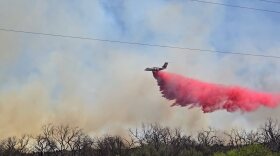 Elevated to critical fire weather is expected to persist across the South Plains and broader West Texas region as record-breaking March heat, strong winds and ongoing drought conditions continue to dry out vegetation. Officials warn that despite a brief cooldown from a passing cold front, wildfire risk will remain moderate into early next week, with recent fires in the Panhandle and South Plains underscoring the growing danger.

© 2026

In touch with the world ... at home on the High Plains
Play Live Radio
Next Up:
0:00
0:00
Available On Air Stations


