-
 Kansas Senate President Ty Masterson, an Andover Republican, is running against state Sen. Cindy Holscher, an Overland Park Democrat, in the race to replace the term-limited Democratic Kansas Gov. Laura Kelly.
 -
 The president has been on a midterm-election campaign blitz across the country, visiting several red-leaning states in support of Republican candidates.
 -
 With Election Day less than a month away, Republican Ty Masterson holds an advantage in recent polls as Democrat Cindy Holscher works to raise her profile. Both candidates continue to focus on education and property taxes on the campaign trail.
 -
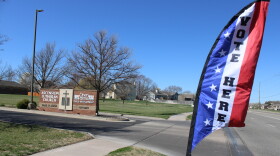 The first deadline is the Oct. 13 cutoff to register to vote. The election will decide the Kansas governor, one of the U.S. senators, U.S. representatives, a constitutional amendment on voting and more.
 -
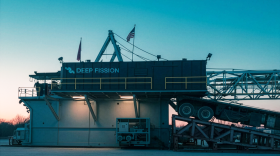 Deep Fission’s planned one-mile underground nuclear reactor project in Parsons, Kansas, passed an initial regulatory milestone, but new questions surround whether the project is financially viable and will be completed as planned.
 -
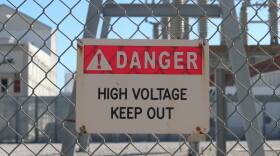 Data center demand, severe weather and the aging grid are forcing utilities to drive up electricity rates. While the Midwest has historically had the cheapest energy in the nation, forces are undermining that trend.
 -
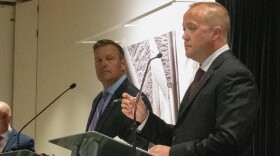 The Kansas attorney general candidates faced off and shared their approaches to major issues in a debate hosted by the Johnson County Bar Association.
 -
 Fort Hays State University President Tisa Mason told Ellis County leaders on Tuesday that new partnerships and donations from the community could keep the museum open into next year.
 -
 Sen. Roger Marshall’s campaign used images from two Kansas businesses in a recent attack ad against Democratic nominee Adam Hamilton without the businesses’ knowledge or approval. Marshall’s campaign said it had changed the images — but as of Monday night, the old version was still running on television.
 -
 Immigration enforcement targeted western Kansas with sweeping actions over the last week, leaving people with and without legal status reeling. The beef industry that employs thousands in the area is working to get back on track.

© 2026

In touch with the world ... at home on the High Plains
Play Live Radio
Next Up:
0:00
0:00
Available On Air Stations


