-
 In April, the department found four public school districts — Olathe, Shawnee Mission, Topeka and Kansas City, Kansas — were in violation of federal Title IX civil rights protections.
 -
 The Trump administration declined to immediately appeal a ruling by a federal judge in Lubbock that invalidated parts of the 1934 National Firearms Act.
 -
 Kansas professor falsely accused of espionage wants university to pay for firing, harm to reputationTao was a tenured chemical engineering professor at KU in 2019 when he became one of the first professors arrested under the first Trump administration’s “China Initiative,” a DOJ campaign purportedly created to thwart economic espionage and intellectual property theft.
 -
 Howden's appointment follows weeks of speculation over who would take over running Texas' elections before the November midterms.
 -
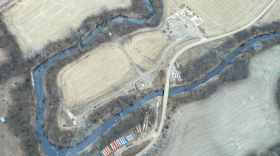 The December 2022 rupture was one of the largest inland oil spills in recent history, and the $40 million will go toward work on the pipeline to prevent future similar spills, a news release from the U.S. Justice Department said.
 -
 Federal appeals court rejects bid to revive in-state tuition for Texas students without legal statusFor more than two decades, the Texas Dream Act allowed certain students without legal status to qualify for in-state tuition. The law was abruptly overturned last year.
 -
 Kansas Attorney General Kris Kobach promptly joined the Trump administration in a lawsuit seeking to prohibit Kansas universities, colleges and state officials from enforcing a 2004 law that gives in-state tuition rates to certain Kansas students without lawful immigration status.
 -
 Kroger failed to properly use ozone-depleting refrigerants at some of its stores and manufacturing facilities, exceeding limits set by the federal government, according to a complaint filed by the U.S. Department of Justice in April.
 -
 A group of Texas churches and the IRS agreed to nix the Johnson Amendment, which prohibits nonprofits from endorsing candidates. A Trump-appointed judge said no.
 -
 The U.S. Department of Justice claimed in court it already has sensitive data on voters so it can check for people who should not be registered. However, the Kansas secretary of state said none of that information has been shared.

© 2026

In touch with the world ... at home on the High Plains
Play Live Radio
Next Up:
0:00
0:00
Available On Air Stations


