

High Plains regional news
-
 The state health agency is also processing 64% of SNAP applications in a timely manner — within 30 days — even though the required rate is 95%.
 -
 The burden of medical debt came into focus after a New York Times report on Kansas U.S. Sen. Roger Marshall's billing practices as an OB-GYN. The nonpartisan civic engagement group Somos Votantes stepped in and bought up $42 million of Kansans' medical debt.
 -
 A KERA reporter updated her registration but still landed on the voter suspense list. Here's what to do if it happens to you.
 -
 Inflation has taken a big bite into the state's ability to maintain its roads and bridges, a legislative panel was told Thursday.
 -
 Two state supreme court justices and five appellate court judges are up for a vote in November's election on whether they should keep their seats. Nearly all were appointed by a Democratic governor.


Happenings across the High Plains


Regional Features
-
 Internet Archive Book Images, No restrictions, via Wikimedia CommonsIn The Children’s Blizzard, David Laskin seeks to unpack the complex history of Anabaptist emigration to the Great Plains and the eventual tragedy of the 1888 blizzard, which took the lives of hundreds of people, many of them children. There are many points where Laskin might impart some sense of cosmic morality to these events, such as when he repeatedly notes that the land that lured these settlers from their Mennonite communities in Europe had been violently seized from the Indigenous peoples who had inhabited it for millennia by the U.S. military and railroad companies.
 -
 Tune in to Classical Music Amarillo this week to hear performances by the Harrington String Quartet as we gear up for the ensemble’s season opening concert on November 9th!
 -
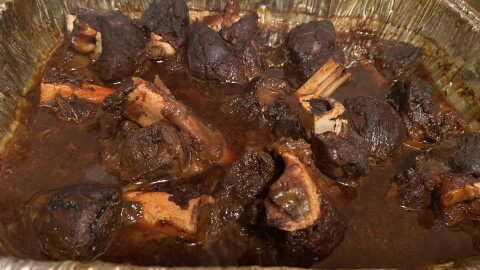 Osso buco is a tender, rich Italian dish made with veal shanks braised in white wine, vegetables and broth. Luke's idea was to try using venison shanks instead...and then he put a whole new twist on it. Check out this week's episode to hear more!
 -
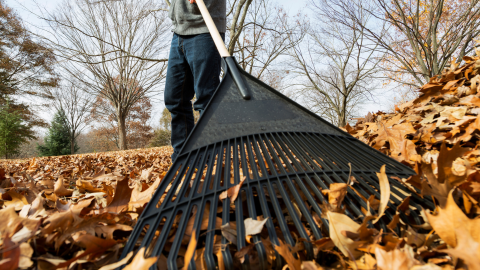 These cooler fall temperatures make the leaves change color, but it also makes them fall off your trees! You could see this is just another nuisance that needs to be raked and thrown away, or...you could see them as free yard supplies provided by nature. This week, we'll talk about perspective, and how to make the most of this (usually) abundant resource!


NPR Top Stories

Kin Cheung
/
AP
Kane was followed in the voting by Kylian Mbappé. Spain star Alexia Putellas won her third women's Ballon d'Or. Outside, fans packed the streets and climbed light poles near the London Palladium.

Frank Franklin II
/
AP


Ukrainian 34th Separate Marine B
/
via AP


Leave a legacy of public radio for your community and the High Plains region


